
Newstead Academy
Daycare for North York Families
Finding the right daycare for your family in North York involves balancing your child's educational needs with your family's daily schedule, commuting arrangements, and long-term goals. Parents may be looking for infant care, toddler daycare, preschool, or a kindergarten program that helps their children develop the skills and confidence needed for future education.
While location is an important factor, the educational approach and classroom environment also deserve careful consideration. Families often want a program that supports early academic development, communication, independence, social skills, and school readiness.
Newstead Academy offers early learning programs for children from infancy through kindergarten age. Its educational approach combines academic readiness, inquiry-based learning, Reggio Emilia-inspired learning, leadership development, and holistic child development.
For families in North York who are open to considering a school outside their immediate neighbourhood, Newstead Academy's Markham location provides an option to explore.
Newstead Academy is located in Markham, not North York. Families should consider the commute and confirm current program availability before making enrollment decisions.
An Early Learning Option for North York Families
Every family has different priorities when choosing daycare.
Parents of infants may focus on caregiving routines, feeding, sleeping, and communication with educators. Families with toddlers may be looking for support with language development, independence, and social interaction. Parents of preschoolers and kindergarten-age children may place greater emphasis on academic foundations and preparation for elementary school.
Newstead Academy's programs address different developmental stages through a connected early learning pathway.
The school emphasizes the development of foundational skills alongside curiosity, communication, independence, and social-emotional growth.
For North York families comparing early childhood education options, understanding each program's age range and educational focus can help determine whether Newstead Academy is suitable for their child.
Infant Daycare for North York Families
Newstead Academy's Infant Classroom serves children from 6 months to 18 months and is available at the Markham location only.
Infancy is a period of rapid development. Babies begin responding to familiar voices, exploring their surroundings through their senses, developing early communication, and establishing routines with caregivers.
Individualized care is important because infants have different feeding schedules, sleeping patterns, comfort needs, and developmental milestones.
Newstead Academy's infant program emphasizes responsive caregiving, personalized routines, sensory exploration, and communication with families.

Supporting Infant Development
During infancy, everyday caregiving experiences can support children's early development. Depending on each child's stage, experiences may encourage:
- Sensory awareness
- Early communication
- Familiarity with caregivers
- Physical development
- Curiosity about the environment
- Recognition of daily routines
Consistent communication between families and educators can help maintain a clearer understanding of each infant's needs. For North York parents considering infant daycare in Markham, it is important to discuss enrollment availability, caregiving routines, and the practicalities of daily transportation directly with the school.
Toddler Daycare for Growing Independence
Newstead Academy's Toddler Classroom serves children from 18 months to 2.5 years.
Toddlers experience significant changes in language, mobility, social interaction, and independence. They are increasingly able to express their needs, follow simple instructions, participate in routines, and explore their interests.
At this stage, early education can help children develop communication skills and become more comfortable with daily classroom expectations.
Language and Communication
Toddlers are developing vocabulary and learning how to express ideas, preferences, and needs. Everyday conversations, stories, songs, and interactions with educators can provide opportunities to hear new words and practice communication. As language develops, children can increasingly communicate with others and participate in classroom routines.
Independence and Daily Routines
Toddlers also begin developing self-care skills and greater independence. Age-appropriate experiences may help them become familiar with handwashing, organizing belongings, participating in meals, and following simple classroom procedures. These routines can help children develop confidence as they prepare for the next stage of early education.
Social Development
Interactions with educators and other children can help toddlers develop early social awareness. Children gradually learn to communicate needs, respond to others, take turns with support, and become familiar with group settings. For families searching for toddler daycare near North York, these developmental areas are worth considering when comparing programs.
Preschool for North York Families
Newstead Academy's Preschool Classroom serves children from 2.5 to 4 years old.
Preschool is an important stage for developing foundational academic skills and preparing children for more structured classroom learning.
Children at this age are expanding their vocabulary, strengthening listening skills, exploring early mathematical concepts, and becoming more capable of participating in group activities.
Newstead Academy's preschool program emphasizes academic readiness, inquiry-based learning, Reggio Emilia-inspired learning, communication, and independence.
Early Literacy and Numeracy
Preschool children can begin building foundations in letter recognition, vocabulary, listening comprehension, counting, number recognition, patterns, and problem-solving. These early skills support continued academic development as children progress toward kindergarten.
Classroom Participation
Preschool also provides opportunities for children to practice following routines, listening to instructions, transitioning between activities, and completing age-appropriate tasks. Developing these skills can help children become more comfortable in a structured learning environment.
Curiosity and Inquiry
Children naturally encounter questions as they learn about the world around them. An inquiry-based approach encourages them to investigate observations, consider possibilities, ask questions, and communicate their thinking. These experiences can support critical thinking and independent learning.
Kindergarten Programs and School Readiness
Newstead Academy's Kindergarten Classroom serves children from 4 to 6 years old.
During these years, children continue developing academic foundations while becoming increasingly prepared for the expectations of elementary school.
School readiness includes more than early reading and mathematics. Children also benefit from developing listening comprehension, communication, independence, problem-solving, and the ability to participate in group learning.
Literacy Readiness
Kindergarten-age children can continue developing letter recognition, phonemic awareness, vocabulary, listening comprehension, and early reading skills. These foundations support continued literacy learning.
Numeracy Readiness
Children can strengthen their understanding of numbers, counting, quantities, patterns, measurement, and mathematical problem-solving.
Classroom Readiness
Children also need opportunities to practice following routines, listening to educators, participating in group activities, managing materials, and completing tasks.
Independence and Responsibility
As children grow, they can take greater responsibility for their belongings, daily routines, classroom materials, and age-appropriate decisions. These skills help prepare children for a more independent role in elementary school.
Newstead Academy's Educational Approach
When choosing daycare, parents may want to understand how a school approaches early education.
Newstead Academy incorporates academic readiness, inquiry-based learning, Reggio Emilia-inspired learning, leadership development, and holistic child development.
These elements are intended to support children's development across academic, social, emotional, and practical areas.

Inquiry-Based Learning
Inquiry-based learning encourages children to ask questions, make observations, explore ideas, solve problems, make connections, and reflect on experiences. Educators can support children's thinking by asking follow-up questions and encouraging them to explain their observations. For example, children may investigate patterns, observe changes in nature, compare objects, or discuss how something works. The emphasis is on developing curiosity, communication, and independent thinking alongside foundational knowledge.
Reggio Emilia-Inspired Learning
Newstead Academy also incorporates Reggio Emilia-inspired learning into its educational approach. This approach views children as capable learners and emphasizes exploration, creativity, collaboration, communication, independence, and the learning environment. Educators can observe children's interests and provide appropriate opportunities for further investigation and expression. For families evaluating different educational philosophies, this approach may be worth discussing with the school to understand how it is reflected in each age group's daily learning experiences.
Academic Readiness
Academic readiness is another important component of Newstead Academy's approach. Depending on their age, children can develop early literacy, numeracy, language, listening, and problem-solving skills. These foundations become increasingly relevant as children transition from toddlerhood to preschool and then kindergarten.
Leadership and Holistic Development
Newstead Academy also emphasizes leadership development and holistic growth. For young children, leadership can involve taking responsibility, communicating ideas, cooperating with others, making appropriate decisions, and contributing to the classroom community. These skills complement academic learning and support children's development as increasingly independent learners.
A Structured Learning Environment
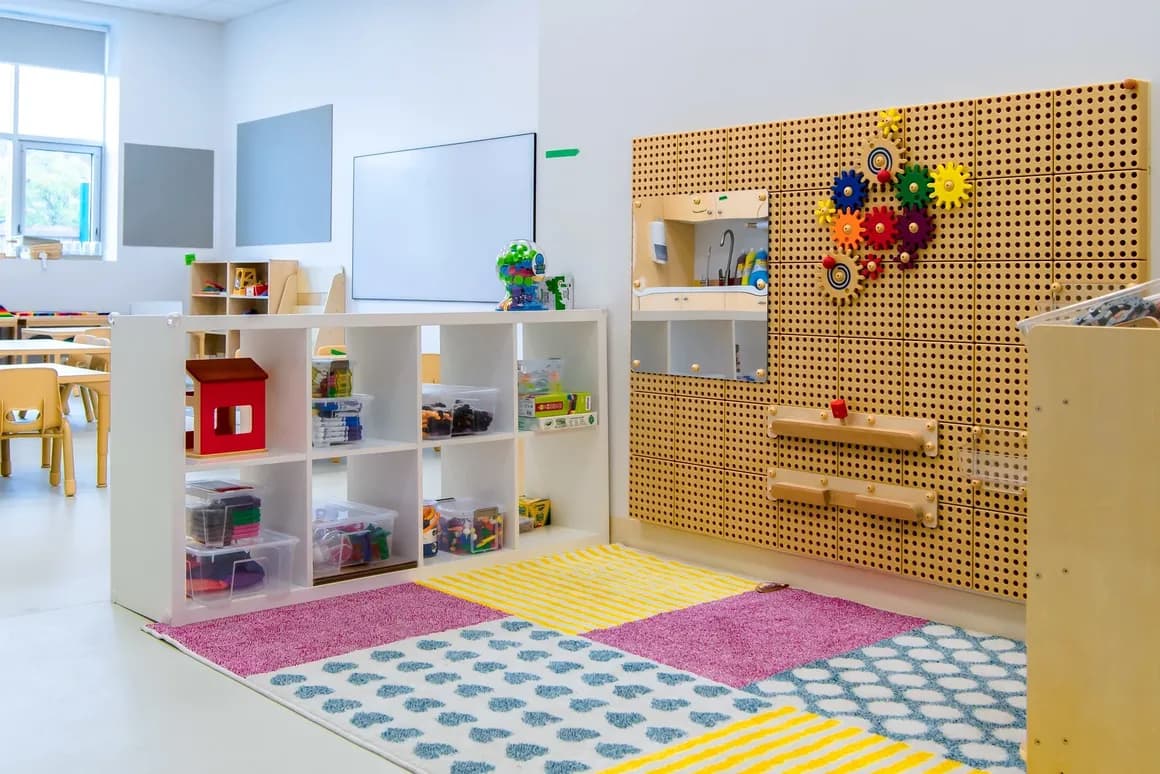
A structured learning environment helps children become familiar with classroom expectations and daily routines.
As children progress through different age groups, they can gradually develop the ability to participate in activities, follow instructions, transition between tasks, and take responsibility for age-appropriate duties.
The structure and expectations of a classroom should reflect children's developmental stages.
Infants need individualized caregiving routines. Toddlers benefit from predictable daily experiences. Preschoolers can begin participating in more structured learning, while kindergarten-age children can develop greater independence and responsibility.
For parents comparing daycare options, it is useful to ask what a typical day looks like for the specific age group they are considering.
Learning Opportunities Beyond Core Academics
Newstead Academy's additional learning opportunities include Music, Drama, Art, Library, Creative Expression, Handwriting Without Tears, French, Early Math Explorers, Outdoor Play & Nature Science Classroom, Culinary Learning Kitchen, and Creative & Maker Spaces.
Field trips are available for children in Pre-Kindergarten through Kindergarten. The availability and suitability of other enrichment experiences may vary by age group and program. Families should contact the school to confirm which opportunities are available to their child.
The availability and suitability of individual experiences may vary by age group and program.
These opportunities can introduce children to different subjects and ways of learning beyond core literacy and numeracy.
For North York families considering Newstead Academy, discussing the current program schedule can help clarify which experiences are available to their child's age group.
Family Communication and Partnership
A positive relationship between families and educators can support children's transition into daycare and their ongoing development.
Parents know their children's preferences, routines, interests, and experiences at home. Educators observe how children participate in classroom activities, communicate with others, and respond to daily expectations.
Sharing relevant information can help both sides better understand a child's needs.
Families may want to ask how the school communicates about daily routines, developmental progress, adjustment to the classroom, and upcoming transitions between programs.
For children moving from infant care to toddler daycare, or from preschool to kindergarten, clear communication can help parents understand what to expect at each stage.
Choosing Daycare Outside North York
Although many families begin their search within North York, it can be useful to consider whether a nearby community offers an appropriate option.
The key question is whether the location and educational program work for your family in practice.
Before considering a daycare outside North York, evaluate:
- Travel time during your usual commute
- Drop-off and pick-up arrangements
- Traffic conditions at relevant times
- Your child's age and program eligibility
- Current enrollment availability
- The school's educational approach
- Communication with educators
- Your family's long-term child care needs
Newstead Academy's Markham location may be an option for families whose travel routes make the commute practical.
However, the school does not have a North York campus, and families should not assume the Markham location is convenient without checking their individual route.
Newstead Academy's Markham Location
Newstead Academy is located at:
Newstead Academy – Markham Campus
120 S Town Centre Blvd Markham, ON L6G 0E8
Phone: (289) 469-0523
Families living in North York who are interested in the school's programs can contact Newstead Academy to ask about enrollment, age eligibility, current availability, and visiting arrangements.
The school can also provide information about the next steps for families considering infant, toddler, preschool, or kindergarten enrollment.
Explore Early Learning Options for Your Family
Choosing daycare is an important decision that involves your child's development, educational needs, daily routine, and your family's practical circumstances.
For North York families considering an early learning program in Markham, Newstead Academy offers infant, toddler, preschool, and kindergarten programs within an educational approach that emphasizes academic readiness, inquiry, Reggio Emilia-inspired learning, independence, communication, and holistic development.
The most appropriate program depends on your child's age, developmental stage, and the type of learning environment you are looking for.
Contact Newstead Academy to discuss the available programs and determine whether its Markham location is a practical option for your family.
Newstead Academy 120 S Town Centre Blvd, Markham, ON L6G 0E8 (289) 469-0523
Take the Next Step
Ready to Get Started?
Schedule a tour and see firsthand why families throughout the community choose Newstead Academy.
Got Questions?
Frequently Asked Questions
Keep Exploring